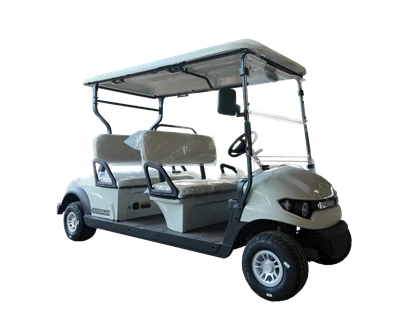
[TL;DR]For Australia's open-pit, underground lithium, iron ore and gold mines, battery electric utility vehicles beat traditional diesel buggies on total operation cost, underground occupational health, carbon compliance and long-term site management. Mining B2B buyers sourcing electric utility vehicles from Chinese manufacturers must verify battery cycle life, IP waterproof grade, mine safety certification and local Australian delivery support before bulk orders.
Introduction
Procurement managers for Australian mineral projects across Western Australia, Queensland and Northern Territory constantly face a core fleet decision: stick with conventional diesel utility vehicles or switch to battery electric models. Both vehicle types serve mine patrol, equipment maintenance, staff shuttle and dust suppression tasks, both are widely supplied by Chinese machinery exporters, and both look similar in product catalog photos - yet their on-site performance, long-term expenditure and compliance value differ drastically. A wrong procurement choice leads to delayed construction progress, double ocean freight fees, or failing local mine environmental audit standards. This article sorts out core adoption drivers, builds a diesel vs electric vehicle comparison table, provides a supplier vetting checklist, and answers the most frequent questions raised by Australian mining purchasers before placing orders.

Electric mining utility vehicles rely on lithium battery power drive instead of internal combustion engines, which creates the core competitive advantages favored by Australian mining groups. While electric models carry slightly higher upfront purchase costs, all hidden long-term operational pain points of diesel fleets can be fully resolved via electrification. Minor limitations including fixed charging schedules can be eliminated by matching site solar charging stations and shift-based charging plans, which will not hinder daily mining production rhythm.
Core Advantages of Battery Electric Mining Utility Vehicles
Ultra-low Lifecycle Operating Cost & Optimized TCO
Electric mining vehicles effectively cut Australian mines' high diesel logistics and maintenance costs. They reduce energy consumption by 40–55% and maintenance expenditure by 30–40% thanks to fewer wearable parts. Though requiring higher upfront investment, they deliver lower 5–10 year TCO with a 3–4 year payback period. The Greenbushes Lithium Mine records a 35% drop in mobile fuel use after switching to electric fleets.
Full Carbon Compliance & ESG Sustainable Value
Facing Australia's strict carbon pricing and 2050 net-zero targets, mining enterprises must cut diesel consumption by 30–50% before 2030. Zero-emission electric vehicles help mines meet environmental compliance, avoid carbon tax penalties and fulfill ESG requirements. Fleet electrification also boosts EIA approval rates for mine upgrades, maintaining legal production and green brand advantages.
Superior On-Site Safety & Occupational Health Protection
Electric vehicles greatly improve mine safety and occupational health. Zero exhaust eliminates toxic gas buildup in underground tunnels and reduces ventilation loads. Low noise, vibration and heat relieve worker fatigue and lower injury risks. Equipped with intelligent fault diagnosis and stable power output, they minimize operational and mechanical safety hazards.
Perfect Mining Scenario Adaptability & Mature Industrialization Trend
Electric utility vehicles perfectly adapt to mines' short-distance, repetitive work such as patrol, staff transfer and dust suppression. One full charge supports daily operation with off-peak charging without production interruption. They fit Australia's high-temperature and dusty outback conditions and support smart mine integration. Mining electrification is a definitive trend, with mature Chinese manufacturers providing complete products and reliable export after-sales service.
Electric Utility Vehicle vs Diesel Utility Vehicle Comparative Table
| Evaluation Factor | Battery Electric Mining Utility Vehicle | Diesel Mining Utility Vehicle |
| Power Source | Lithium iron phosphate battery drive | Internal combustion diesel engine |
| Structural Rigidity & Failure Risk | Simple structure, few wearable parts, low breakdown rate | Complex engine structure, frequent filter/oil maintenance |
| Emission Performance | Zero tailpipe emissions, no toxic gas | Large CO₂, NOx and particulate emissions |
| On-site Noise Level | Ultra-low noise, minimal vibration | Loud engine roar, strong vibration |
| Long-term Operation Cost | Low energy & maintenance expenditure | High diesel fuel + regular overhaul cost |
| Underground Adaptability | Fully suitable for closed tunnels, reduce ventilation load | Poor underground use, exhaust gas accumulation hazard |
| Typical Application Scenarios | Underground mines, lithium/gold mines, ESG-compliant large open pits | Low-budget surface auxiliary patrol, small remote mineral sites |
| Supporting Infrastructure | Solar charging stations required | Diesel storage tank & refueling zone required |
If mine projects focus on carbon compliance, underground safety, long-term cost control and green ESG assessment, electric utility vehicles are the priority specification. For low-budget temporary surface patrol projects without carbon reduction targets, diesel vehicles remain a cost-effective temporary option.
5-Step Sourcing Checklist for Selecting Chinese Electric Mining Vehicle Manufacturers
Confirm battery type (lithium iron phosphate preferred for mining), cycle life, IP waterproof & dustproof rating, charging speed; underground mines require explosion-proof certified battery packs. Match battery capacity to local mine daily mileage to avoid insufficient endurance.
Request full test reports complying with Australian mine vehicle safety standards, electrical safety certificates, explosion-proof certification for underground models. Reject generic certificates not matching the exact vehicle model ordered.
Clarify rated passenger capacity, maximum load weight, off-road chassis ground clearance, climbing gradient; remote Pilbara mines need reinforced anti-corrosion chassis coating for red dust & saline soil.
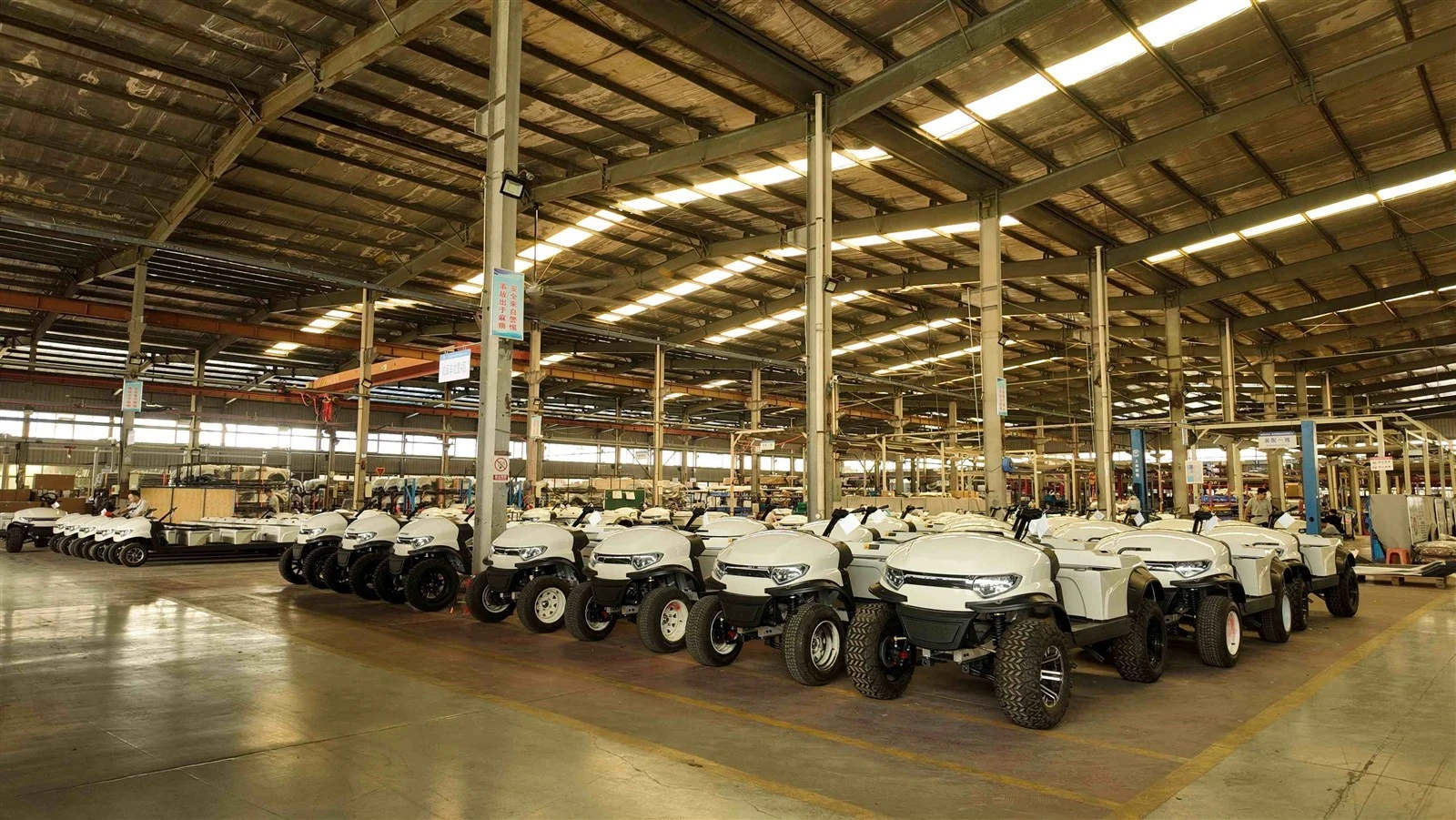
For large mine fleet bulk orders, confirm factory monthly output, production cycle (standard models 25–35 working days), container loading schedule and seaworthy export packaging standards.
Ask the supplier to provide past Australia mine delivery cases, spare parts overseas warehouse delivery cycle, English operation & maintenance manuals and remote video troubleshooting service.
Our mining electric vehicle factory has specialized in manufacturing lithium battery mining utility vehicles since 2008, with over 18 years continuous R&D & production experience. Annual production capacity reaches 28,000 units, and our vehicle series cover underground crew carriers, open-pit patrol buggies, maintenance service vehicles and dust suppression electric carts. Products are widely delivered to iron ore, lithium, gold mines across Western Australia, Queensland and Northern Territory, also exported to Southeast Asia and European mineral projects. We provide standard lithium iron phosphate battery models and customized explosion-proof, extended-range, high-load modified versions, supporting OEM private logo printing and body color adjustment for mining equipment distributors.
Conclusion & FAQ
The nationwide rollout of electric utility vehicles on Australian mine sites is not a short-lived environmental trend, but a strategic fleet upgrade driven by comprehensive economic, safety, compliance and production efficiency benefits. With continuous battery technology iteration, declining vehicle manufacturing costs and complete mine charging infrastructure construction, electric utility vehicles will fully replace traditional diesel fleets and become standard equipment for Australia's new generation green intelligent mines. For Australian mineral enterprises, auxiliary fleet electrification is not merely a carbon neutral compliance measure, but a core long-term strategy to cut operation expenditure, protect miner health and lift overall mine market competitiveness.
Are Chinese-made electric mining utility vehicles suitable for Australia's harsh outback mine environment?
Yes. Formal manufacturers adopt thickened anti-corrosion chassis, high-temperature resistant lithium batteries and full dust-sealed electrical control systems, specially optimized for Pilbara high heat, red dust and saline soil conditions. Mass delivery records to Western Australian lithium & iron ore mines verify stable long-term operation performance.
Can electric utility vehicles fully replace diesel buggies for underground mining work?
Absolutely zero-emission electric models are the only compliant option for enclosed underground tunnels. Diesel vehicles generate harmful exhaust gas that raises ventilation costs and respiratory disease risks, while battery EVs eliminate all toxic fume hazards and meet Australian underground mine safety regulations.
What is the typical production lead time for bulk mining EV orders shipped to Australia?
Standard off-the-shelf electric patrol vehicles: 25–30 working days; customized explosion-proof underground crew carriers or long-range modified models: 35–45 working days.
What carbon cost savings can Australian mines gain after switching to electric utility fleets?
On top of lower fuel and maintenance bills, electric vehicles cut scope 1 on-site mobile emissions significantly, helping mines avoid annual carbon tax surcharges and pass EIA mine expansion audits smoothly. Large-scale fleets can save hundreds of thousands to millions AUD in carbon-related expenditure every year.
Can Chinese manufacturers supply complete Australia customs clearance export documents?
Yes. Full set documents including commercial invoice, packing list, certificate of origin, vehicle safety test reports, battery MSDS, and English operation & maintenance manuals are provided for smooth Australian port customs clearance.