[TL;DR]Electric utility vehicles (EUVs) cover resort shuttle carts, farm transport UTVs, factory cargo buggies and campus patrol vehicles, yet many overseas buyers treat all electric utility carts as identical products. Trustworthy Chinese manufacturers differ drastically from trading companies in raw material standards, battery safety testing, global certification support and after-sales spare parts supply. Sourcing from unqualified middlemen leads to frequent vehicle breakdowns, failed customs clearance due to missing CE/GCC/E-MARK certificates, and long-term shortages of replacement parts. This guide breaks down core supplier screening standards to help importers lock in stable, qualified manufacturers before submitting formal RFQs.
Why "Any Chinese Cart Supplier" Is a Risky Sourcing Mindset
When international distributors send sourcing inquiries online, most only write a brief demand: "Electric utility vehicle, custom seats, cargo bed, OEM logo." Many small trading firms without production capacity repackage carts from scattered small workshops and resell them overseas. Different batch products adopt inconsistent steel frames, lithium battery brands and controller systems, creating unstable quality and no unified technical file support for import certification.
At Greenman intelligent EV manufacturing base, we independently develop and produce two core lines of electric utility vehicles: passenger resort carts and heavy-duty cargo UTVs in isolated production workshops. This buying guide sorts out all key inspection dimensions for screening Chinese manufacturers, helping procurement teams avoid quality losses, customs detention and delayed fleet delivery.

Two Core Electric Utility Vehicle Lines & Factory Compliance Priorities

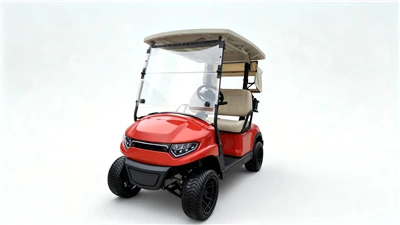
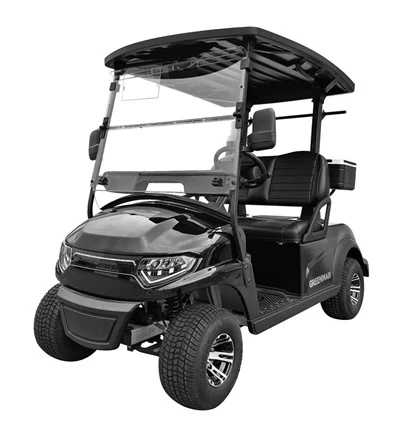
1. Light-Duty Passenger Utility Carts (Resort, Campus, Golf Community)
Production compliance focus: Anti-corrosion frame spraying, low-noise motor system, passenger safety guardrail, multi-country passenger transport certification, comfortable shock absorption for long-hour sightseeing operation.
Typical bulk order scenarios: Hotel resort shuttle fleets, school campus transport carts, residential area patrol vehicles, golf course service buggies.
2. Heavy-Duty Cargo Electric UTVs (Farm, Factory, Construction Site, Mine Park)
Production compliance focus: High-load bearing chassis, hydraulic tipping cargo bed, off-road thickened tires, lithium battery thermal runaway testing, overload protection controller, dustproof and waterproof electrical components.
Typical bulk order scenarios: Agricultural farm material transport, factory workshop cargo transfer, construction site maintenance vehicles, scenic mountain zone material hauling.
Trading Company VS Professional EV Manufacturer: Full Comparison Table
| Comparison Dimension | Unqualified Trading Companies | Professional Greenman EV Manufacturer |
| Production Capacity | No own workshop, source vehicles from multiple small factories | 15,000㎡ intelligent production base, 4 full-auto assembly lines, independent welding & battery workshop |
| Core Component Control | Random mixed brands of motor, battery, controller across batches | Self-matched lithium battery PACK, in-house motor testing, unified controller configuration for consistent batch quality |
| Global Certification Support | Only provide simple CO certificates, no complete CE/GCC/E-MARK technical files | Full set of test reports, Notified Body CE certification, GCC, E-MARK, Australia RCM complete technical documentation |
| Vehicle Frame Standard | Thin low-carbon steel, weak anti-rust treatment | S355 high-strength steel frame, multi-layer anti-corrosion electrostatic spraying, 5-year frame warranty |
| Battery Safety Test | No independent thermal runaway inspection, outsourced battery assembly | Independent battery laboratory, overcharge/short-circuit/thermal runaway full test before assembly |
| OEM Customization Ability | Limited color & logo print only, cannot adjust chassis/cargo load | Support seat number, cargo bed, power, lifting device, lighting full custom, new model R&D for exclusive agents |
| Bulk Order Lead Time | Unstable, easy to delay 30–60 days due to scattered workshop stock | Stable 30–45 days for custom fleets, in-stock standard models ship within 14 days |
| After-Sales Spare Parts Supply | No long-term parts inventory, hard to source replacement components after 1 year | Permanent spare parts warehouse, global parts express delivery within 7 working days, 3–7 years component supply guarantee |
| Production QC Process | No fixed inspection standards, random sampling only | Full-process incoming material inspection, offline whole-vehicle aging test, 120-item finished vehicle safety check before shipment |
5-Step Supplier Screening Checklist Before Placing Mass Orders
1. Verify independent factory qualification & production scale
Request factory aerial photos, production workshop videos, ISO certification certificates (ISO9001/14001/45001) and production equipment list. Pure trading firms cannot provide complete on-site production evidence.
2. Confirm complete target-market certification documents
According to your sales region, ask suppliers to supply full test reports and certification files: CE for EU, GCC for Middle East, E-MARK for road legal vehicles, RCM for Australia. Reject suppliers who only offer simple certificate copies without technical construction files.
3. Inspect core component production & safety testing capacity
Focus on lithium battery production lab, robotic welding line, whole-vehicle aging test bench. Qualified manufacturers complete battery overheat, overload, waterproof testing internally instead of outsourcing all links.
4. Clarify OEM customization scope & mass order delivery cycle
Confirm adjustable parameters: seat quantity, cargo bed capacity, lithium/lead-acid battery switch, off-road upgrade kits, multi-language dashboard. Lock written lead time and liquidated damages for delay in formal sales contract.
5. Confirm long-term spare parts after-sales guarantee policy
Sign spare parts supply agreement, confirm inventory cycle, international express delivery cycle of replacement parts, battery & frame warranty years. Avoid suppliers who stop component supply after order completion.
Frequently Asked Questions About Sourcing Chinese Electric Utility Vehicles
How to distinguish a real manufacturer from a trading company quickly?
Three key verification points: 1. Whether they can provide live workshop video call at any time; 2. Whether they have independent battery testing equipment and welding production lines; 3. Whether they can issue complete original certification test reports with factory name printed.
What certifications are mandatory for EU market electric utility vehicles?
Two core mandatory certificates: Machinery Directive CE certification issued by EU Notified Body, plus LVD & EMC test reports. Lithium-powered models must also comply with EU Battery Regulation 2023/1542 and provide digital battery passports.
What warranty coverage do we provide for this vehicle model?
Main components come with a 2-year warranty, and lithium batteries are covered under a 5-year warranty. Consumable vulnerable parts such as tires, glass and fuses are not included in the warranty scope.
What is the production lead time?
Production lead time ranges from 20 to 30 working days upon receipt of your formal deposit and confirmed order specifications