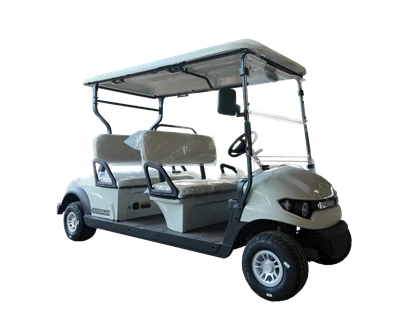
With the popularization of environmental protection concepts and the rapid development of science and technology, electric work vehicles, as green and efficient means of transportation, have been widely used in various working environments. Its low noise and zero emission characteristics make it show incomparable advantages in a variety of specific environments.
The field of warehousing and logistics is an important stage for electric work vehicles to show their prowess. In large warehouses, goods are frequently moved in and out. Electric work vehicles can efficiently complete various handling tasks with their flexible controllability and strong load capacity. Its silent design not only reduces interference to staff, but also improves the comfort of the working environment.
In manufacturing workshops, electric work vehicles also play a key role. Complex assembly line operations require fast and accurate material distribution. Electric work vehicles, with their precise navigation system and stable driving performance, ensure that materials are delivered to designated locations in a timely and accurate manner, thereby improving production efficiency.
In addition, at outdoor construction sites, electric work vehicles are also favored for their excellent adaptability. It can travel stably on rugged terrain, carry construction equipment and materials, and greatly improve construction efficiency. At the same time, its environmental protection characteristics are also in line with the current concept of green construction, reducing pollution to the environment.
In crowded public places such as airports and stations, electric work vehicles take on tasks such as cleaning and patrolling. Its low noise and no exhaust emissions create a quieter and more comfortable public environment for the public.
With its wide applicability, electric work vehicles are gradually becoming an indispensable assistant in various industries.